


by PETER GRACE
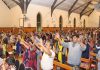
AUCKLAND — Rwandan genocide survivors were among the those at St Patrick’s Cathedral in Auckland on June 22 to commemorate the 20th anniversary of the massacre.
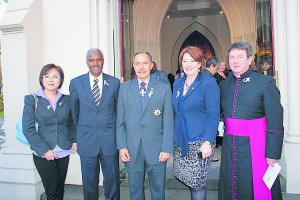
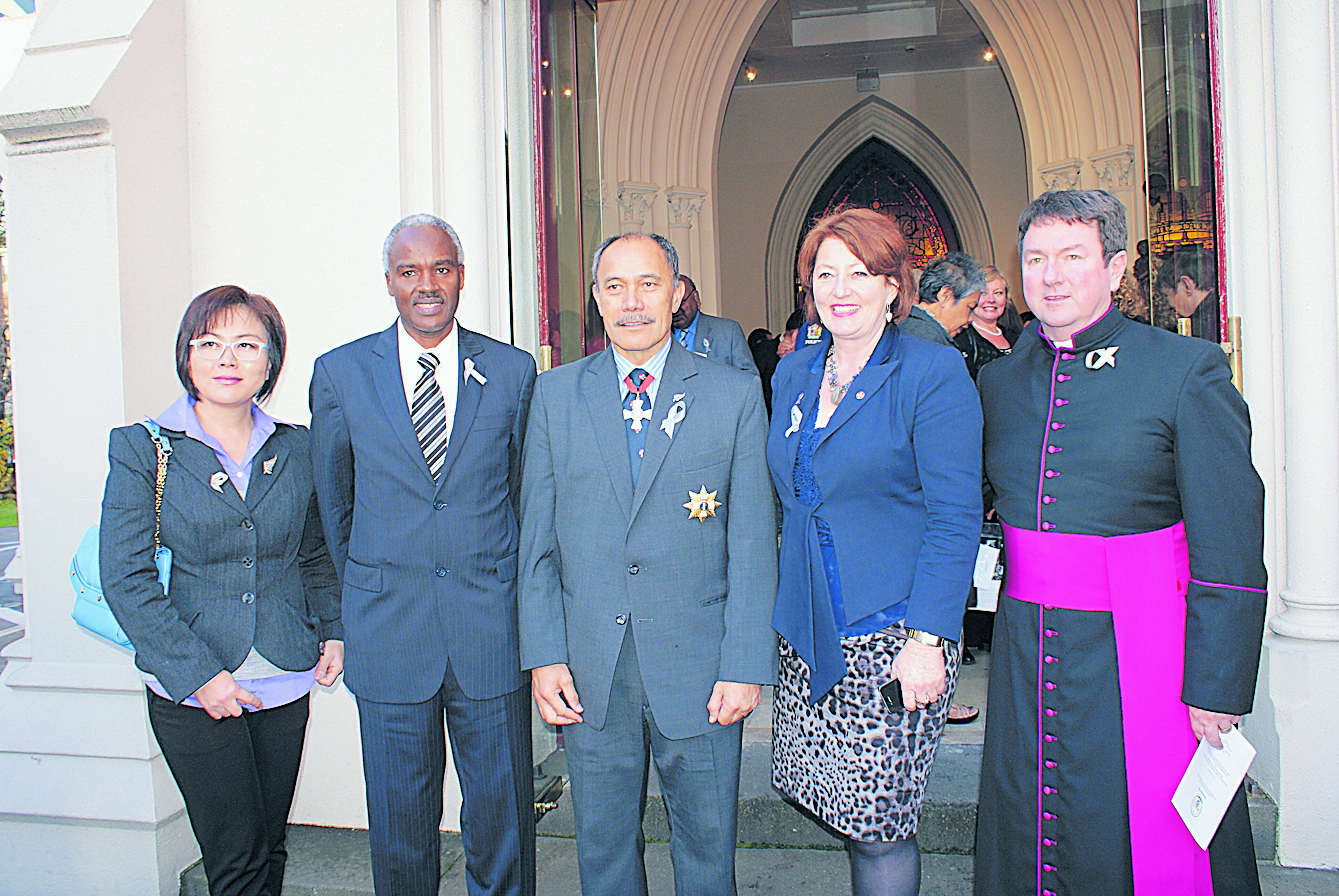
Up to 1 million people Tutsi people are estimated to have been murdered in 100 days from April 6, 1994.
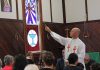
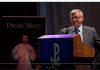
Beginning the service, cathedral administrator Msgr Bernard Kiely said St Patrick’s might be the most prayed-in building in the land. “One hundred and fifty thousand candles are lit here each year,” he said. “As we come to the service of commemoration, we pray for peace.”
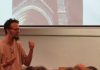
Rosemine Mutamuliza told the gathering, which included the Governor-General, Sir Jerry Matepaere, and the High Commissioner of Rwanda to New Zealand, Dr Charles Murigande, that the genocide in 1994 was 100 days that shook the subcontinent and left indelible marks on
many lives.
One of those people was a girl who was 12 years old at the time. Her parents tried to shelter her eyes from what was happening. “But, from their hiding place, she could still hear,” Ms Mutamuliza said.
“Her friends and family, her classmates … all their lives were taken.” That girl was herself.
Now, like so many of her fellow Rwandans, “I am strong, I am a better person, I am full of life”.
All present were there to honour Rwanda’s fallen, “our brothers and sisters”, Ms Mutamuliza said. But the commemoration was not a coming together with despair, but with a sense of dignity, hope and courage”.
Other to speak were the high commissioner, Dr Murigande; Colin Keating, president of the United Nations Security Council in April 1994; south Auckland Judge Jonathan Moses, who was a prosecutor on the Arusha Tribunal following the genocide; and the Governor-General.
Mr Keating told those present that Rwanda is a country smaller than New Zealand. In 1994, it had a population of between 6 and 7 million.
It was important, he suggested, that this service was held in a Catholic church, “because Rwanda was, and still is, largely a Catholic country”.
“This was not perpetrated for religion. This was Catholic people killing other Catholic people. And, as a Catholic myself, just as the UN failed, the media failed … so also the Church failed.
“And I think it’s very important that we have this today in a church, because we want to console the living, those who survived.”
There was also in Rwanda, Mr Keating said, a story of forgiveness, a story of healing and a story of reconciliation.
Many who took part in the genocide had taken responsibility for for their actions and been reintegrated into society.
The gathering included a short film outlining the genocide, and the recovery and development of Rwanda since 1994.
Hutu and Tutsi people are friends again, work together and intermarry. Clare de Lore, Lady McKinnon, the honorary consul general in New Zealand of Rwanda, was MC. As well as the national anthems of Rwanda and New Zealand, Psalm 23 was sung. The service ended with refreshments in Liston Hall.
Rwandan genocide victims honoured
Featured News
- All
- Catholic Events
- Catholic News
- Featured Catholic News
- International Catholic News
- New Zealand Catholic Opinion
- News
- Reviews New Zealand Catholic
More
Seven stained glass windows brighten Taranaki chapel
Amazing patterns of light now flood through the Mary Phelan Chapel at Sacred Heart Girls’ College in New Plymouth after seven stained glass windows were
installed early this year.
The chapel windows were...